Style Library
Van Dyke Beard
Van Dyke Beard is more than a grooming label. It changes the frame of the face, affects how tidy or rugged someone appears, and works best when it suits the person’s growth pattern, lifestyle and patience level.
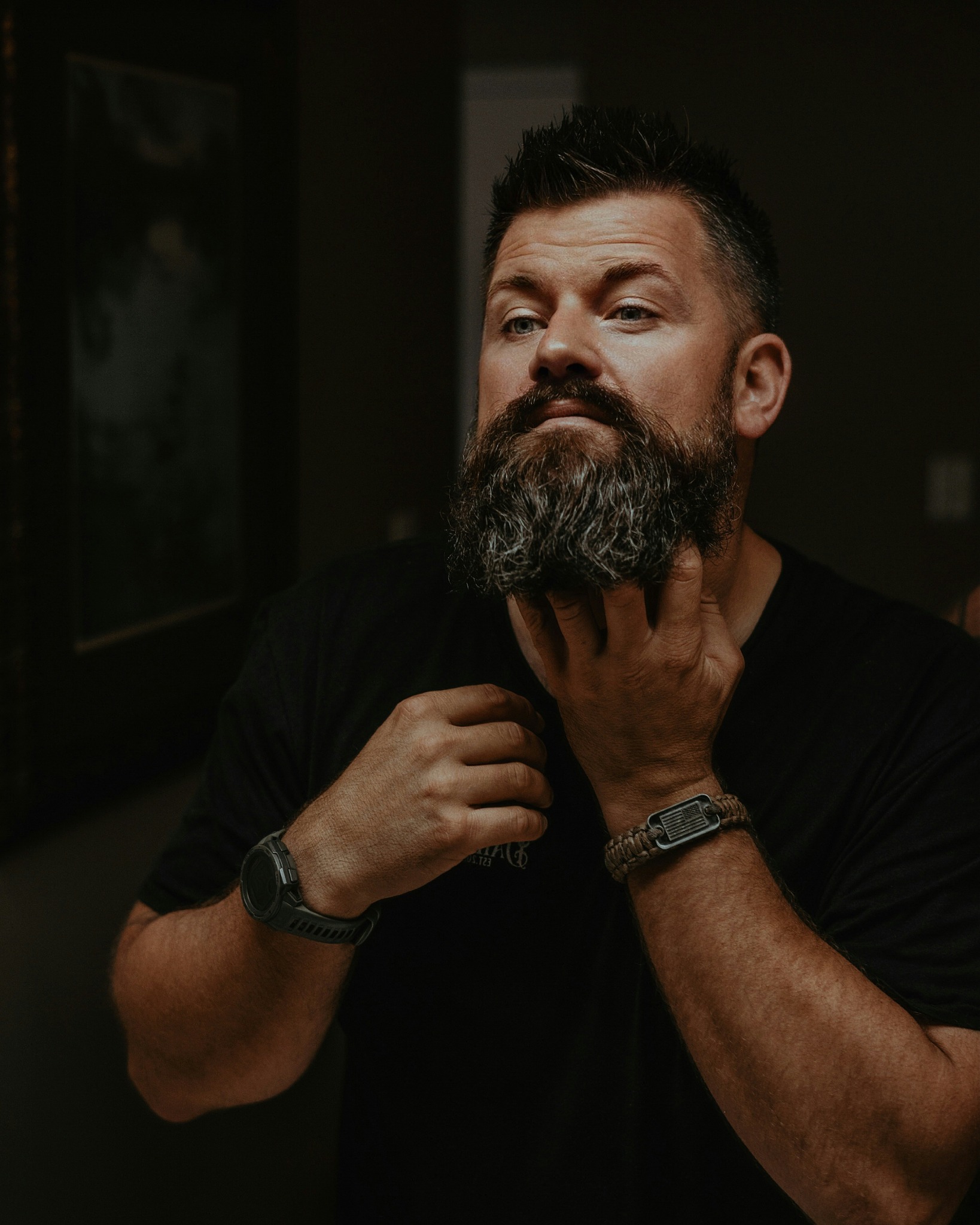
Style purpose
The purpose of the van dyke beard is to create a specific facial message. Some beard styles sharpen the jaw. Some add age and maturity. Some soften hard angles. Some communicate creative independence, while others work because they are clean and controlled enough for conservative workplaces.
The style should not be chosen only because it looks good in a photo. It should suit the actual density on your cheeks, chin, moustache and neck. The strongest beards look like they were designed around the wearer rather than copied from someone else.
Best face shapes and growth patterns
Round faces often benefit from slightly more length at the chin and controlled width at the cheeks. Longer faces often need side balance and should avoid adding too much length below the chin. Square faces can handle stronger edges, but may look better with slightly softened corners. Oval faces usually have the most flexibility.
If your cheeks are weaker, choose a style that does not depend on a high cheek line. If the moustache is strong, let it carry more of the style. If the chin is dense, use it for structure. The style should borrow strength from the areas that naturally grow best.
How to shape it
Start by defining the role of the neckline. A higher neckline creates a cleaner, shorter look, but too high can make the beard look artificial. A lower neckline supports fullness, but too low can make the face look heavy. The cheek line should look intentional without being over-carved.
- Wash and fully dry the beard.
- Comb it into its natural position.
- Set the neckline first.
- Set the moustache edge second.
- Reduce side bulk gradually.
- Finish by removing individual flyaways.
Maintenance rhythm
Shorter versions may need border work once a week. Medium versions need shape checks every ten to fourteen days. Longer versions should be shaped less frequently but more carefully. The goal is not to chase every hair. The goal is to keep the silhouette stable.
When to avoid it
Avoid this style if it fights your growth pattern too aggressively. Also avoid it if the maintenance level is higher than you realistically want. The best beard is not the most dramatic one. It is the one that still looks good on a busy Tuesday morning.