Core Guide
Origins of Beards
Origins of Beards is more than a grooming label. It changes the frame of the face, affects how tidy or rugged someone appears, and works best when it suits the person’s growth pattern, lifestyle and patience level.
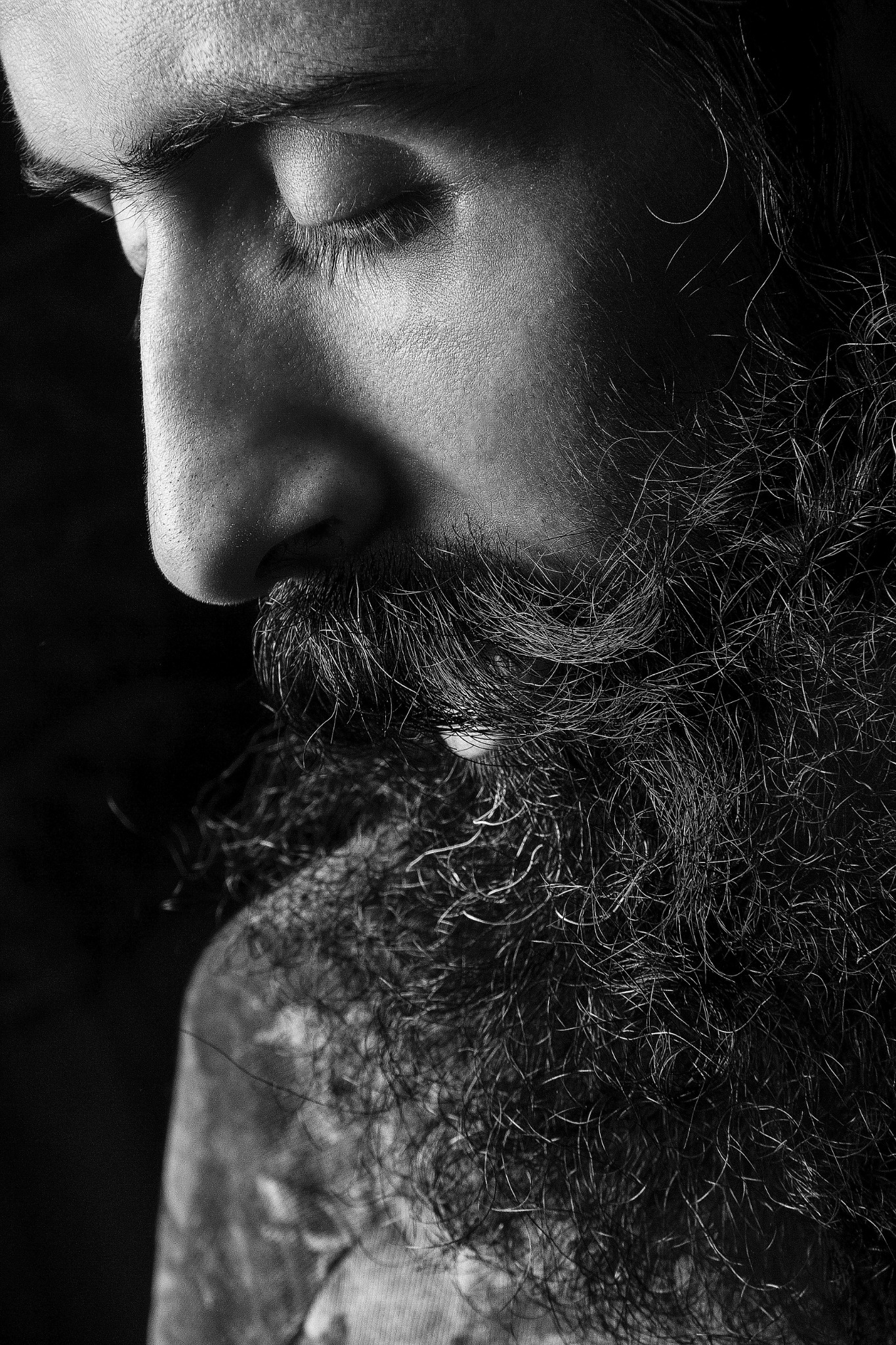
Historical meaning
Origins of Beards shows that beards have rarely meant only one thing. Depending on time and place, they have suggested wisdom, strength, maturity, status, work, rebellion, spirituality, discipline or fashion. The same beard that looked respectable in one era could look old-fashioned in another.
That is why beard history is so useful. It reminds us that a beard is both biological and cultural. Hair grows naturally, but societies decide what that hair is supposed to mean.
Practical origins
Before modern grooming tools, shaving was more difficult, less comfortable and less common for many people. Beard length could be influenced by climate, work, available tools, status and group norms. A beard might be practical protection, a sign of adulthood, a marker of belonging or simply the default.
Status and identity
Beards have often been used to separate roles and groups. Leaders, workers, soldiers, scholars, artists and outsiders have all used facial hair to communicate something. Sometimes the message was chosen. Sometimes it was imposed by fashion or rules. Either way, beards became part of the visual language of identity.
Modern interpretation
Today, most beard choices are more personal. A man may grow a beard for style, comfort, age, confidence, cultural belonging or a desire to change how his face is read. Modern beards borrow from older symbols, but they are usually filtered through lifestyle and grooming discipline.
What it teaches us now
The lesson is simple: a beard always sits in context. The same beard can read as rugged, refined, creative, careless or authoritative depending on shape, cleanliness, clothing, workplace and behaviour.